Water softener vs water filtration: which does your home need
Hard water and chlorine are two different problems. Here's how to tell whether your Arlington Heights home needs a water softener, a filtration system, or both.
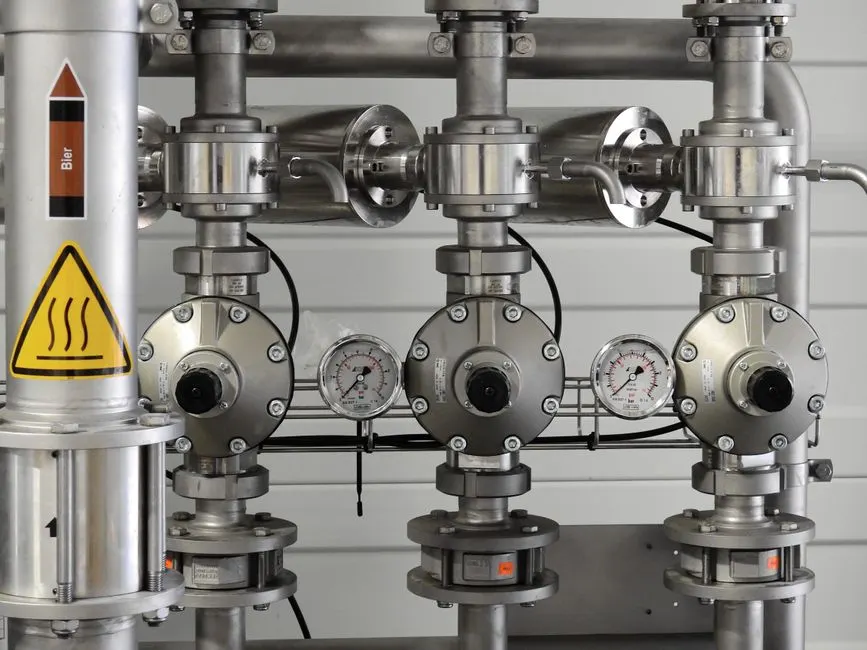
A water softener removes the calcium and magnesium that make Arlington Heights water hard, while a water filtration system removes chlorine, sediment, and taste-and-odor compounds. If your fixtures crust up with white scale and your soap won't lather, you need a softener. If your water smells like a pool or tastes flat, you need filtration. Most homes here benefit from both, and the rest of this post explains how to tell which one your house is asking for.
We install and service both systems across Arlington Heights, so we've seen what the water does to copper lines, water heaters, and glass shower doors in this town. Here's the comparison that actually matters.
Water softener vs water filtration Arlington Heights IL: the short answer
Water softener vs water filtration Arlington Heights IL comes down to one question: is your problem minerals or is it contaminants? Hard water is a mineral problem - calcium and magnesium dissolved in the water at levels high enough to leave scale. Filtration is a contaminant problem - chlorine, sediment, lead, and organic compounds that affect taste, smell, and safety. A softener uses ion exchange to swap hard minerals for sodium; a filter traps or adsorbs unwanted particles and chemicals. They solve different problems, which is why the honest answer for a lot of homes is that you need both.
If you want the one-line version: softener for scale, filter for taste and chlorine. If your shower glass is foggy with white film and your water heater is popping, start with the softener. If your ice cubes smell like a municipal pool, start with filtration.
What Arlington Heights water actually contains
Arlington Heights water comes from Lake Michigan through the municipal supply, and like most Lake Michigan water it lands in the "moderately hard" range - roughly 7 to 10 grains per gallon depending on the year and the treatment plant. That's enough to scale a water heater in two to three years and enough to leave spots on dishes that no dishwasher tablet will fix. The village treats the water with chlorine for disinfection, which is why so many homeowners notice a faint chlorine smell in the morning glass.
Older neighborhoods - the blocks of 1950s and 1960s ranches near downtown and the areas around Arlington Heights Road - often still have galvanized or early copper service lines that add iron and lead traces to the water before it reaches the tap. Newer construction on the west side is usually cleaner at the meter but still hard.
So the water in this town has two separate issues: it's hard, and it's chlorinated. That's exactly why the softener vs filter question keeps coming up. For a broader look at how we handle whole-home water treatment, see our water filtration system services Arlington Heights IL page.
What a water softener does - and what it doesn't
A water softener is an ion-exchange tank that swaps calcium and magnesium ions for sodium ions, and it's the only reliable fix for hard water scale. Inside the tank, resin beads hold sodium; as hard water passes through, the calcium and magnesium stick to the beads and sodium goes into your water. Every few days the unit backwashes with a brine solution to recharge the resin. That's the whole process.
What it fixes:
- White scale on faucets, shower heads, and glass doors
- Soap and shampoo that won't lather
- Stiff laundry and faded colors
- Scale buildup inside your water heater and tankless coil
- Spotty dishes and cloudy glassware
What it does not fix: chlorine, sediment, lead, or bad taste. A softener will not remove the chlorine smell, and it will not make your water taste better. It also adds a small amount of sodium to the water - usually under 30 mg per 8-ounce glass at typical hardness - which matters if you're on a sodium-restricted diet.
Typical 2026 pricing in this area runs $1,800 to $3,200 installed for a quality demand-initiated softener, with the higher end covering a larger tank, bypass valve, and haul-away of an old unit. A softener lasts 10 to 15 years with annual service. We handle water softener installation Arlington Heights IL and repair on every major brand.
What a water filtration system does - and what it doesn't
A water filtration system removes contaminants - chlorine, chloramine, sediment, lead, and volatile organic compounds - through carbon block, granular carbon, or reverse osmosis membranes. A whole-house carbon filter sits on the main line after the meter and strips chlorine before it reaches any tap. A point-of-use reverse osmosis unit under the kitchen sink takes it further, removing lead, nitrates, and dissolved solids to near-zero.
What it fixes:
- Chlorine taste and smell
- Sediment and rust particles
- Lead and heavy metals (with RO or a certified carbon block)
- Cloudy or off-color water
- Better-tasting coffee, ice, and drinking water
What it does not fix: hardness. A carbon filter will not stop scale. Run hard water through a filter and you'll still replace a water heater early. That's the single most common misunderstanding we correct on service calls - homeowners buy a filter expecting softer water and end up with the same crusty faucets six months later.
Whole-house carbon filtration typically runs $1,200 to $2,500 installed in 2026. A under-sink reverse osmosis system adds $600 to $1,400. Filters need cartridge changes every 6 to 12 months, and RO membranes every 2 to 3 years.
Do I need a water softener or filter in Arlington Heights IL?
Do I need a water softener or filter in Arlington Heights IL? Run this quick test before you buy anything. Fill a clear glass with tap water and let it sit overnight. A white ring or film at the waterline means hardness - you need a softener. A chlorine smell or cloudy tint means you need filtration. Both together means you need both.
Here's the decision list we walk homeowners through:
- Scale on fixtures and a popping water heater - softener first.
- Chlorine smell, flat taste, or sediment - whole-house carbon filter first.
- Lead concern in a pre-1980 home - filtration with RO at the kitchen tap, plus a softener if hardness is above 7 grains.
- New tankless water heater - softener is close to mandatory; scale kills tankless coils fast, and most manufacturers require softened water to keep the warranty valid.
- New construction on the west side - start with a softener; the water is still hard even if the pipes are clean.
If you're in the 60004 ZIP code and your home was built before 1975, we usually recommend testing the water at the tap before deciding. You can read more about how we handle whole-home plumbing work on our residential plumbing Arlington Heights, Illinois page. And if you're comparing quotes from different companies, our Plumbing Arlington Heights IL page lays out how we price water treatment installs.
Can you run a softener and a filter together?
Yes - and in Arlington Heights, running both is usually the right call. The standard setup is a whole-house carbon filter first on the main line to strip chlorine, then a softener downstream to remove hardness. That order matters: chlorine degrades softener resin over time, so filtering it out first extends the life of the softener by years.
A combined install typically runs $2,800 to $4,800 in 2026 depending on tank size, whether you add RO at the kitchen sink, and how much repiping the mechanical room needs. The two units together take up about 4 to 6 square feet of floor space and need a drain for backwash and a nearby outlet.
One thing to watch: if you have a tankless water heater, the softener should be sized to the flow rate of the unit, not just the house. Undersized softeners let hard water slip through during long showers, and that's exactly when scale forms in the heat exchanger. We size every system to the fixture load, not the square footage.
Common mistakes we see on water treatment installs
The most expensive mistake we see is a homeowner buying a filter to fix a hardness problem. It never works, and by the time they call us the water heater has already lost a year of life. Here are the others:
- Installing the softener after the water heater - soft water should feed the heater, not come out of it. Otherwise the heater still scales.
- Skipping the bypass valve - without one, you can't isolate the unit for service, and every repair becomes a full shutdown.
- Undersizing the softener - a family of four with two showers running at once needs a 32,000-grain unit minimum, often 40,000.
- Forgetting the outdoor spigots - soft water on the lawn is a waste of salt; plumb the hose bibs on the hard side.
- No drain for backwash - softeners need a gravity drain within 30 feet. A utility sink or floor drain works; a bucket does not.
We also see plenty of DIY filter installs where the cartridge housing is cross-threaded or the shutoff is missing. That's a slow leak waiting to happen behind a wall. If your install is anywhere near a finished ceiling, have it done right.
When to call a professional
Call a professional when you're not sure which system you need, when the install involves cutting into the main line, or when your existing softener is leaking, cycling constantly, or not softening. We test your water at the tap, check hardness and chlorine levels on site, and tell you which system - softener, filter, or both - actually fits your house. No guesswork, no upsell.
Five Star Plumber LLC handles water softener and filtration installs across Arlington Heights, including the older neighborhoods where the main line is tight and the mechanical room is small. We also fix the plumbing problems hard water causes - scale-clogged fixtures, failed water heaters, and pinhole leaks in copper. If your water heater repair Arlington Heights IL keeps coming back to scale, the softener is the real fix.
Frequently Asked Questions
Do I need a water softener or filter in Arlington Heights IL?
You need a softener if your water is hard - Arlington Heights runs about 7 to 10 grains per gallon - and a filter if you want to remove chlorine, sediment, or lead. Most homes here benefit from both. Test the water first; a white ring in a glass overnight means hardness.
What is the difference between water softener and filtration in Arlington Heights, Illinois?
A softener removes calcium and magnesium through ion exchange and stops scale. A filter removes chlorine, sediment, and contaminants through carbon or a membrane. Softener fixes hardness; filter fixes taste, smell, and water quality. They are not interchangeable.
Which is better for hard water in Arlington Heights IL?
A water softener is the only system that actually removes hardness. Filters do not soften water. If scale is your problem - crusty faucets, popping water heater, spotty dishes - a softener is the correct choice, typically $1,800 to $3,200 installed in 2026.
Can I have both water softener and filter in Arlington Heights?
Yes, and it's the standard setup for homes with both hard and chlorinated water. Install the carbon filter first on the main line, then the softener downstream. Combined installs run $2,800 to $4,800 in 2026 and need about 4 to 6 square feet of space.
How often should a water softener be serviced?
Once a year - check the brine tank, clean the resin, and test hardness at the tap. Salt should be refilled every 4 to 8 weeks depending on household size. A well-maintained softener lasts 10 to 15 years.
Get help with Plumbing in Arlington Heights
If you're still not sure whether your home needs a softener, a filter, or both, we'll test your water and give you a straight answer. Call Five Star Plumber LLC at (224) 643-9856 and we'll schedule a water test and walk you through the options for your house.