Signs Your Main Sewer Line Is Clogged
Multiple drains backing up, gurgling toilets, and sewage smells in Arlington Heights usually mean one thing: a clogged main sewer line. Here's how to confirm it.
The clearest sign your main sewer line is clogged is when more than one drain backs up at the same time - a shower, a toilet, and a sink all draining slowly or refusing to drain at all. If that's happening in your Arlington Heights home, the blockage is almost never in the individual fixture; it's in the main line carrying waste out to the village sewer.
Below we walk through the specific symptoms, why they show up the way they do, and how we clear a main sewer line clog without tearing up your yard.
What a Clogged Main Sewer Line Actually Is
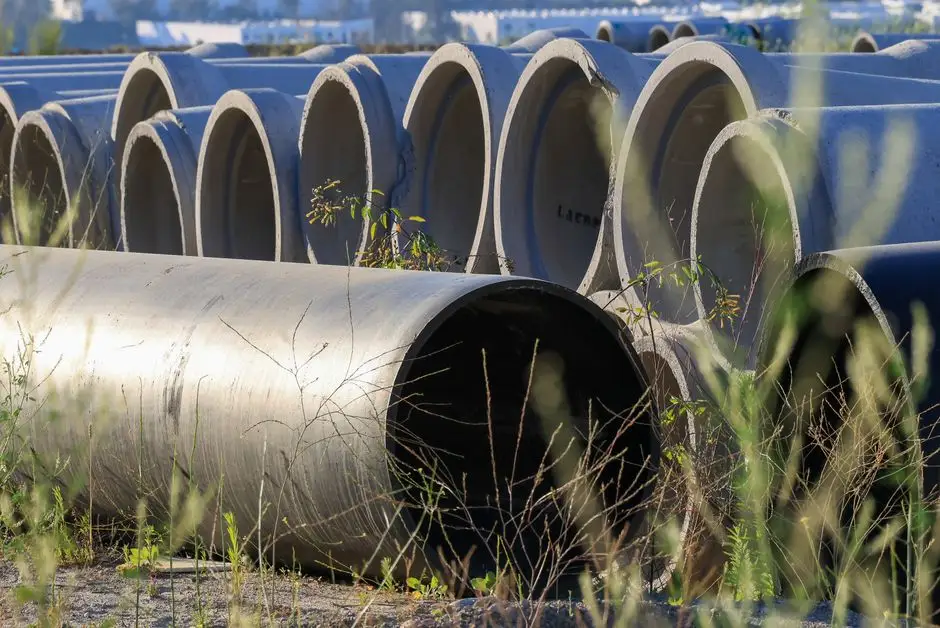
A clogged main sewer line is a blockage in the single large pipe that carries all wastewater from your home to the municipal sewer, usually 4 inches in diameter and running under your basement floor or front yard. Every sink, toilet, shower, and washing machine in the house drains into it.
That's why a main line clog behaves differently from a stopped kitchen sink. When one fixture backs up, the problem is local. When several back up at once, or when water rises in the lowest drain in the house, the main line is the culprit.
In Arlington Heights, most of the housing stock was built between the 1920s and the 1980s, and a large share of those homes still have original clay tile or cast iron sewer laterals. Both materials are prone to root intrusion, scale buildup, and - in the case of older clay tile - offset joints where tree roots find an easy entry point.
Why Do All My Drains Back Up in Arlington Heights, Illinois?
All your drains back up at once because they share the same exit pipe, and once that pipe is blocked, wastewater has nowhere to go but back up into the lowest opening in the house. That's usually a basement floor drain, a laundry sink, or a first-floor tub.
The four most common causes we find in Arlington Heights:
- Tree roots - the number one cause. Silver maples, Norway maples, and willows are common in older neighborhoods, and their roots seek out the moisture and nutrients inside a cracked sewer joint.
- Grease and sludge - cooking fat cools and hardens inside the pipe, catching paper and waste until the line narrows to a trickle.
- Flushed wipes and paper products - even "flushable" wipes don't break down the way toilet paper does. They snag on roots and scale and form a mat.
- Collapsed or offset pipe - older clay tile shifts with freeze-thaw cycles, and a shifted joint catches everything passing through it.
If your home is near the older blocks around downtown Arlington Heights or along the streets off Northwest Highway, the odds of a clay-tile lateral with root intrusion go up considerably. We see this pattern weekly on sewer line cleaning Arlington Heights IL calls where the homeowner assumed the problem was just a slow kitchen drain.
The Warning Signs Most Homeowners Miss
The signs of a main sewer line clog usually build over days or weeks before a full backup, and catching them early is the difference between a routine cleaning and a flooded basement. Here's what to watch for.
Multiple drains draining slowly
One slow drain is a fixture problem. Two or three slow drains on different floors is a main line problem. If your kitchen sink and your upstairs shower both drain sluggishly the same week, that's your answer.
Gurgling toilets and bubbling drains
When you flush a toilet and hear gurgling from the tub or see bubbles rise in the sink, air is being pulled through a partially blocked line. This is one of the earliest and most reliable warnings.
Sewage smell inside the house
A rotten-egg or sulfur odor near floor drains, basement sinks, or the laundry area means sewer gas is backing up into the home. That's a health concern, not just a nuisance - methane and hydrogen sulfide aren't things you want lingering in a closed basement.
Water backing up in the lowest drain
If your basement floor drain or laundry tub fills when you run the washing machine or take a shower upstairs, the main line is blocked downstream of those fixtures. This is the classic emergency Plumbing Arlington Heights IL call - and it usually happens on a weekend or at night.
Foundation or floor cracks with moisture
A slow leak from a damaged sewer line can saturate the soil under a slab and show up as unexplained damp spots or new cracks. If you see this alongside slow drains, get the line inspected before you spend money on cosmetic repairs.
Rodent or insect activity near the sewer line
An underground break gives rats and cockroaches a direct path into the home. If you're seeing either indoors and your drains are slow, the two problems are probably connected.
What to Watch Out For: Common Mistakes
The most expensive mistake we see is homeowners pouring chemical drain cleaner down a main line clog. Those products are designed for a hair clog in a bathroom sink - not a 4-inch sewer line packed with roots and grease. They rarely clear the blockage, and the caustic residue can damage older cast iron and PVC joints.
Other mistakes that turn a $300 problem into a $3,000 one:
- Continuing to use water. Every flush and every load of laundry adds volume behind the blockage. If you suspect a main line clog, stop using water until it's cleared.
- Running a hand auger down a floor drain. A 25-foot snake can't reach a blockage 40 to 60 feet out in the yard, and it can kink inside the pipe.
- Assuming a single snaking will fix it. If roots caused the clog, they grow back. Without a camera inspection, you don't know whether you're dealing with grease, roots, or a broken pipe.
- Ignoring repeat backups. Two backups in six months means the line needs more than a cleaning - it needs a proper diagnosis.
If you've had the same drain snaked twice this year, it's time for a camera inspection. We offer video camera inspection Arlington Heights IL to see exactly what's in the line before we quote any repair.
When to Call a Professional
Call a professional the moment two or more drains back up at once, when sewage is actively rising into your basement, or when you smell sewer gas indoors - those are not DIY situations. Standing sewage carries bacteria, and a main line under pressure can overflow fast.
At Five Star Plumber LLC, we handle main sewer line clogs across Arlington Heights daily. We arrive with a camera and a jetter, find the blockage, clear it, and show you what we found on screen before we leave. If the line needs more than cleaning, we'll tell you straight - repair or replacement - and give you a written price before any work starts.
For homes in the 60004 ZIP code and surrounding areas, we also handle the related problems that come with an aging sewer system, from Plumbing repair Arlington Heights IL on the fixtures affected by backups to full sewer line repair Arlington Heights IL when the pipe itself has failed.
How We Clear a Main Sewer Line Clog
We start with a camera inspection, because the right tool depends on what's actually blocking the line. A grease clog and a root intrusion need different approaches.
- Camera inspection. A fiber-optic camera goes down the cleanout and shows us the blockage, the pipe material, and the pipe condition. We mark the depth and location.
- Hydro jetting. For grease, sludge, and roots, we use high-pressure water - typically 3,000 to 4,000 PSI - to scour the pipe walls back to bare material. This clears what a snake leaves behind.
- Mechanical cutting. For heavy root intrusion, we run a root cutter head first, then jet the line to flush the debris out.
- Post-clearance camera check. We run the camera again to confirm the line is fully open and to document any damage for you.
Most standard main line clogs clear in 60 to 90 minutes. If the camera shows a collapsed pipe, offset joint, or bellied section, cleaning won't solve it - and we'll walk you through sewer line replacement Arlington Heights IL options, including trenchless methods that avoid digging up your whole yard.
Typical 2026 pricing in this area runs $250 to $450 for a standard main line cleaning, and $450 to $800 when hydro jetting is required. Camera inspections are usually included with the cleaning.
Frequently Asked Questions
What are signs your main sewer line is clogged in Arlington Heights IL?
Multiple drains backing up at once, gurgling toilets, sewage odors indoors, and water rising in the lowest drain in the house. Any two of these together point to a main line clog rather than a single fixture problem.
Why do all my drains back up in Arlington Heights, Illinois?
All drains share one exit pipe. When that main line blocks - usually from tree roots, grease, or a shifted clay-tile joint - wastewater has nowhere to go but back up into the lowest opening in the home, typically a basement floor drain.
How do you unclog a main sewer line in Arlington Heights IL?
We run a camera first to identify the blockage, then clear it with hydro jetting at 3,000 to 4,000 PSI or a mechanical root cutter. Most clogs clear in 60 to 90 minutes, and we confirm with a second camera pass.
When should I call a plumber for a sewer clog in Arlington Heights?
Call immediately if two or more drains back up, sewage is rising into your basement, or you smell sewer gas indoors. Don't wait - every flush adds water behind the blockage and increases the risk of a full overflow.
Can I clear a main sewer line clog myself?
No. Store-bought drain cleaners and hand augers can't reach a blockage 40 to 60 feet out in the yard, and caustic chemicals can damage older pipes. A camera and jetter are the only reliable tools for a main line.
Get Help with Plumbing in Arlington Heights
If your drains are backing up, gurgling, or smelling like sewage, don't wait for the next flush to make it worse. Five Star Plumber LLC clears main sewer line clogs across Arlington Heights with camera inspection, hydro jetting, and upfront pricing.
Call us at (224) 643-9856 - we're available 24/7 for sewer backups and emergency drain problems.